A Buyer’s Guide: Discover Wooden TV Units to Complete Your Space
In today’s living rooms, the TV unit is no longer just a stand for a screen. It must do double duty: support modern entertainment systems with smart storage and cable management while also acting as a visual anchor that defines the room’s style. A poorly chosen unit can make even the most beautiful television feel awkward or out of place, while the right one quietly pulls the entire space together.
Wood Type & Aesthetic Style
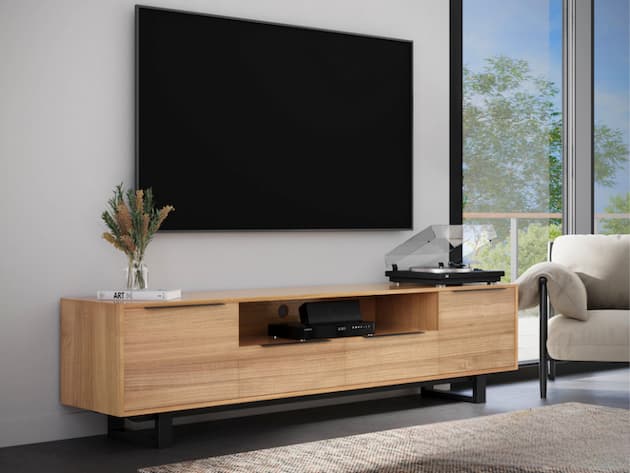
This is where sophisticated wooden tv units stand apart. Crafted from solid wood or genuine timber rather than veneer or MDF, these pieces offer exceptional durability, natural warmth, and a sense of permanence. Unlike mass-produced alternatives, solid wood furniture develops character over time, often becoming more attractive as the grain deepens and the finish ages gracefully.
The ideal wooden TV unit is a true marriage of form and function. Beyond choosing a timber you love, it’s essential to consider ventilation for electronics, thoughtful cable management, and enough storage to handle today’s media clutter. When all these elements align, the result is a unit that feels intentional, practical, and timeless.
Warm and Traditional Timbers
Certain woods immediately evoke a sense of tradition and depth. Oak and walnut are praised for their strong, visible grain and rich tonal variation. Oak wooden tv units tend to be lighter and more textured, while walnut offers deeper browns and a smoother finish. Both work beautifully in transitional or formal living spaces where warmth and craftsmanship are key.
Mahogany and cherry lean darker and more refined. These timbers are often associated with classic or antique-inspired interiors, lending a sense of heritage and sophistication. A timber tv unit made from these woods can instantly elevate a room with traditional charm.
Light and Modern Woods
For more contemporary interiors, lighter timbers provide a clean, airy feel. Maple and ash feature subtle grain patterns and pale tones that suit minimalist or Scandinavian-inspired spaces. Their understated appearance allows other elements to shine without visual competition. Reclaimed or driftwood timbers bring texture and character. Natural imperfections, weathered grain, and colour variation make each piece unique, perfect for rustic, coastal, or relaxed modern homes.
Choosing the Right Finish
The finish dramatically affects both appearance and maintenance. Oil or waxed finishes preserve the timber’s natural look with a soft, matte sheen. They feel organic and warm but require occasional re-oiling to maintain protection. Polyurethane or varnish finishes provide a tougher surface, ideal for high-traffic living rooms. These finishes range from satin to glossy and offer excellent resistance to spills and wear.
Functionality & Construction Quality
Frame Integrity and Build
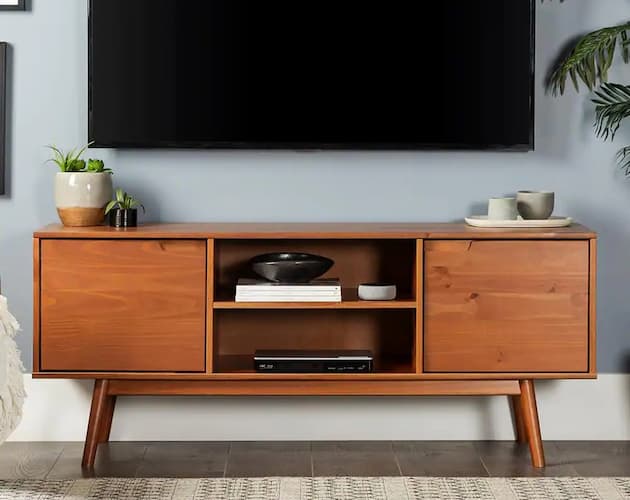
A quality unit starts with solid construction. Confirm that all load-bearing components are made from solid wood rather than engineered substitutes. Pay close attention to joinery. Traditional techniques such as dovetail joints in drawers or mortise-and-tenon joints in frames indicate strength and longevity. These methods outperform simple screws or staples, especially under the weight of modern TVs.
Essential Cable Management
Nothing disrupts a clean living room faster than visible cables. Look for timber TV units with dedicated cutouts or vents in the rear panel for power cords and HDMI cables. Better designs include hidden internal channels that guide cables neatly between shelves and compartments, keeping everything organised and out of sight.
Ventilation: Protecting Your Electronics
Electronics generate heat, and wood naturally insulates. If gaming consoles, receivers, or cable boxes are enclosed without airflow, heat can build up quickly. Choose a wooden TV unit with open backs, slatted panels, or ventilation holes. This allows warm air to escape, protecting your devices and ensuring consistent performance over time.
Storage Options
Different storage styles suit different lifestyles. Open shelving offers easy access to frequently used devices but requires tidy cable management and regular dusting. Drawers and cabinets conceal clutter such as remotes, controllers, and media, creating a calmer, more streamlined look. Many homeowners prefer a combination of both for flexibility.
Sizing & Placement Considerations
The Width Rule: Visual Balance
For aesthetic harmony, the unit should be at least 25% wider than the TV itself. This grounds the screen visually and prevents it from appearing top-heavy or precarious. A lowline TV unit often works best for modern spaces, offering a wide, horizontal profile that complements large screens and keeps the room feeling open.
The Height Rule: Comfortable Viewing
Ergonomics matter. The centre of the TV screen should align roughly with eye level when seated. As TVs increase in size, lower units become essential to avoid neck strain from looking upward.
Weight Capacity
Solid wood is strong, but not all designs are equal. Always check the manufacturer’s weight rating, especially if you own an older or heavier television model. This ensures long-term safety and stability.
A Focal Point
A well-made timber tv unit is more than furniture. It’s just as important as all of the must-have elements for a stylish space for comfort, organisation, and enduring style. Solid wood offers unmatched durability and warmth, while thoughtful construction supports today’s technology-heavy living rooms with ease.
If you’re looking to buy tv units made from wood, look beyond surface beauty. Prioritise hidden features such as ventilation, cable routing, and structural integrity. These details protect your electronics and ensure the unit performs as beautifully as it looks for years to come.