Discover Everything You Need to Know About Stainless Steel
Everyday Strength You Can Rely On
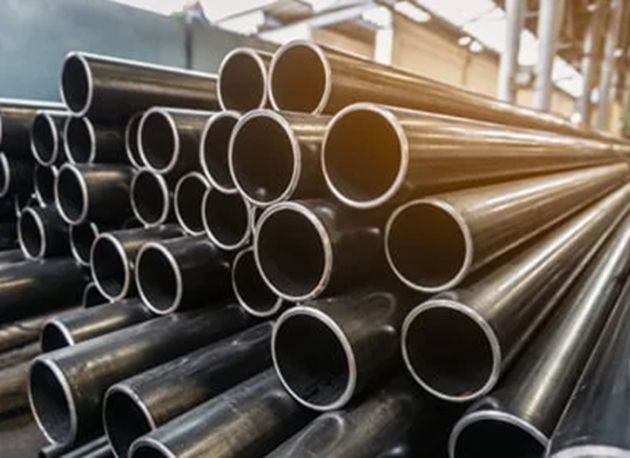
Stainless steel has become one of the most trusted materials across industries, from construction and architecture to marine engineering and household design. Its reputation rests on a unique combination of durability, corrosion resistance, and sleek appearance.
Unlike ordinary steel, stainless steel contains chromium, which forms a protective layer that prevents rust and oxidation. This makes it ideal for environments exposed to moisture, chemicals, or fluctuating temperatures. Whether it’s a handrail in a public building or a wire rope supporting heavy loads, stainless steel suppliers offer strength and reliability that endure daily wear without compromising safety or style.
Behind the Shine: What Stainless Steel Offers
The versatility of stainless steel lies in its ability to adapt to different applications. It is available in multiple grades, each designed for specific performance needs. For example, austenitic stainless steels are prized for their corrosion resistance and toughness, while duplex grades combine strength with resistance to stress corrosion cracking.
This adaptability explains why stainless steel is used in everything from architectural facades to food processing equipment. When people look for reliable stainless steel suppliers, they are seeking access to these varied options, ensuring the right grade is matched to the right project.
Picking the Perfect Match for Your Project
Choosing steel suppliers is not just about selecting a grade; it’s about aligning the material with the environment and purpose. Corrosive coastal areas demand higher resistance alloys, while indoor dry environments may only require standard grades.
Finish also matters: polished surfaces enhance aesthetics and reduce maintenance, while brushed finishes provide a modern look with reduced glare. Strength, cost, and sustainability should all be weighed before making a decision. That’s why purchasing from trusted stainless steel suppliers will serve you well, as they provide not only the material but also guidance on matching specifications to real-world conditions.
Built to Last: Quality in the Details
The defining feature of stainless steel is its longevity. Chromium content above 10.5% ensures a passive film forms on the surface, protecting against corrosion. Nickel, molybdenum, and other alloying elements further enhance resistance to acids, chlorides, and extreme temperatures. This makes stainless steel particularly valuable in construction, where structural integrity must be maintained for decades.
Iconic buildings such as the Chrysler Building in New York and modern Australian infrastructure projects showcases stainless steel’s ability to combine strength with visual appeal. Its recyclability also adds to its sustainability credentials, reducing environmental impact while maintaining performance.
Stainless Steel in Action
From stainless steel bridges, balustrades and marine rigging, to kitchen fittings like stainless steel sinks and taps and marine rigging, this material is everywhere. In architecture, it provides both structural support and decorative finishes, offering designers flexibility without sacrificing durability. In industrial settings, stainless steel wire ropes and fittings ensure safety under heavy loads, while in residential spaces, it delivers sleek, low‑maintenance solutions for everyday use.
The material’s resistance to staining and ease of cleaning make it particularly valuable in hygiene-sensitive environments such as hospitals and food production facilities. Its adaptability across sectors explains why demand continues to grow in Australia and globally.
Sustainability and Future Value
Beyond immediate performance, stainless steel offers long-term environmental benefits. Its recyclability rate is close to 100%, meaning old components can be re-melted and reused without losing quality. This closed-loop cycle reduces demand for raw materials and lowers carbon emissions compared to less durable alternatives.
In Australia, stainless steel is increasingly chosen for infrastructure projects not only for its strength but also for its contribution to sustainable building practices. For buyers, this means every purchase supports both durability and environmental responsibility, reinforcing stainless steel’s role as a forward-thinking material for modern projects.
Tips Before You Buy
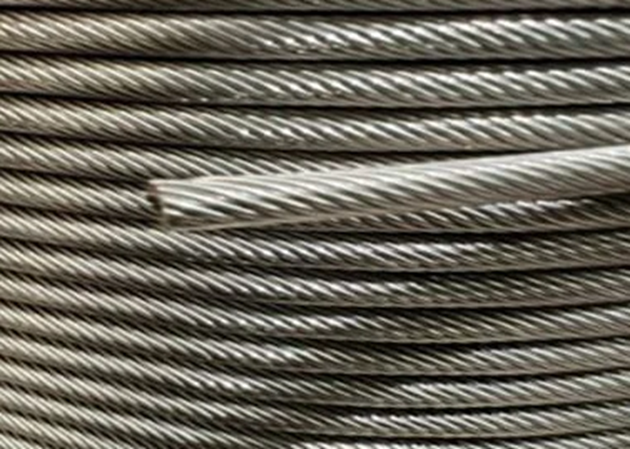
Selecting industrial stainless steel requires careful consideration of several factors:
- First, clarify the environment of use: indoor, outdoor, marine, or industrial.
- Second, evaluate the required strength and load capacity, especially for applications involving rigging or structural support.
- Third, consider aesthetics; different finishes can dramatically alter the look and feel of a project.
- Finally, balance cost with performance; while higher-grade alloys may be more expensive, they often reduce long-term maintenance costs.
- Check certifications and standards, as these guarantee the material meets safety and durability requirements. By taking into account practical tips with an understanding of available options, buyers can make informed decisions that ensure both reliability and value.
Lasting Value, Everyday Confidence
Stainless steel supplies continue to stand out as a material that blends practicality with design. As a material with corrosion resistance, strength, and recyclability, it’s a cornerstone of modern construction and manufacturing. For buyers, the key lies in choosing wisely; matching grade, finish, and application to the specific demands of a project.
With the right approach, stainless steel delivers not only immediate functionality but also long-term confidence. It is this exact combination of everyday reliability and enduring value that makes stainless steel a smart investment for projects of all sizes.