Choosing the Right Flap Disk: A Practical Guide for Everyday Projects
Abrasives are practically essential in shaping, smoothing, and preparing materials across industries. From welding and fabrication to woodworking and automotive repair, the right abrasive tool determines efficiency and finish quality. Among these, the flap disc has become a staple thanks to its ability to grind and polish in one step, saving time while delivering consistent results.
What is a Flap Disk?
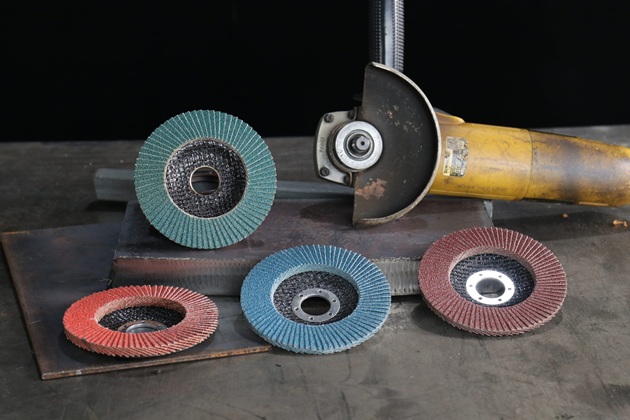
A flap disk is a wheel made of overlapping abrasive flaps bonded to a central hub. As the flaps wear down, new abrasive layers are exposed, ensuring steady performance. This design allows for both aggressive stock removal and fine finishing, making the flap wheel itself more versatile than traditional grinding wheels. They are commonly used on stainless steel, mild steel, aluminium, and even non-metallic surfaces.
That’s why investing in a flap disk matched to your project’s grit size and disc profile isn’t just a choice, it’s the difference between struggling with uneven finishes and achieving clean, professional-grade results with less effort.
Choosing the Right Fit
Selecting the correct flap disk for you depends on grit size, disc shape, and backing material.
- Grit size: Coarse grits (24–60) handle heavy grinding, medium grits (80–120) balance blending and shaping, while fine grits (150–240) provide smooth finishes.
- Disc shape: Flat discs (Type 27) are best for flat surfaces, while conical discs (Type 29) suit edges and contours.
- Backing material: Fibreglass backings are lightweight and safe, while plastic or metal backings offer durability for demanding tasks.
Performance and Durability
Flap disks are engineered for longevity. Unlike grinding wheels that wear unevenly, flap disks maintain consistent cutting action as fresh abrasive is revealed. Their lifespan depends on correct usage: maintaining the right angle, applying moderate pressure, and matching the grit to the material.
Softer metals extend disc life, while harder alloys demand more frequent replacement. When used properly, flap disks reduce downtime and costs by lasting longer and requiring fewer tool changes.
Practical Tips for Everyday Use
Getting the most from flap disks requires good technique and safe practices:
- Angle control: Type 27 discs should be used nearly flat, while Type 29 discs need a steeper angle for effective grinding.
- Pressure management: Excessive force shortens lifespan and risks damaging the workpiece.
- Safety gear: Goggles, gloves, and masks are essential to protect against sparks and dust.
- Storage: Keep discs dry and away from extreme temperatures to prevent weakening of the adhesive bond.
These habits not only extend the life of each disc but also improve the quality of the finish.
Applications Across Industries
Flap discs are widely used in metal fabrication, automotive repair, shipbuilding, and construction. In fabrication, they smooth weld seams and prepare surfaces for painting. Automotive workshops rely on them for bodywork, rust removal, and panel finishing. In construction, they help shape steel beams and cut through stubborn materials. Their versatility makes them indispensable in both professional and DIY settings.
Beyond Flap Disks
While flap disks are versatile, other abrasives serve specific roles. Grinding wheels excel at rapid stock removal but leave rough finishes. Fibre discs provide aggressive grinding but wear quickly. Wire brushes are effective for rust and paint removal, while sanding discs are better suited for wood and softer materials. Flap disks bridge these gaps, offering a balance of speed, control, and finish quality.
Environmental and Efficiency Considerations
Modern workshops increasingly value efficiency and sustainability. Flap disks contribute by reducing waste: their gradual wear exposes fresh abrasive, meaning fewer discs are discarded compared to single-layer alternatives.
Their ability to combine grinding and finishing also reduces energy use and tool changes, streamlining workflows. Choosing the right grit and backing further minimises unnecessary consumption, making flap disks a practical and eco-friendly choice.
Advanced Techniques and Specialised Uses
Beyond general grinding and finishing, flap wheels can be tailored for specialised applications. High-density flap disks, with more abrasive layers, are designed for longer life and smoother finishes on large surfaces. Ceramic flap disks provide superior cutting power on hard metals, while zirconia alumina discs balance durability and cost for everyday use.
Professionals often rotate between different flap disks during a single project, starting with coarse grits for shaping and moving to finer grits for polishing. This layered approach ensures precision without sacrificing efficiency. Additionally, abrasive technology continues to evolve, with newer blends offering cooler cutting action that reduces heat build‑up, protecting both the tool and the workpiece.
Making the Right Choice
Flap disks stand out as one of the most versatile abrasive tools available. They combine durability, efficiency, and finishing capability in a single product, making them suitable for a wide range of tasks.
By understanding grit sizes, disc shapes, and safe operating practices, users can achieve cleaner, faster, and more reliable outcomes. Whether in a professional workshop or a home garage, the right flap disk ensures every project is completed with precision and confidence.