Non-Safety Work Boots: Benefits, Features and Best Uses
When people hear the term “work boots,” they often think of steel caps, heavy soles, and strict safety standards. While those features are essential in high-risk environments, not every job calls for that level of protection. Non safety boots offer a lighter, more flexible alternative for roles where comfort and durability matter more than impact resistance. If your workplace doesn’t require certified protective footwear, these boots can be a smart and practical choice.
What Are Non-Safety Work Boots?
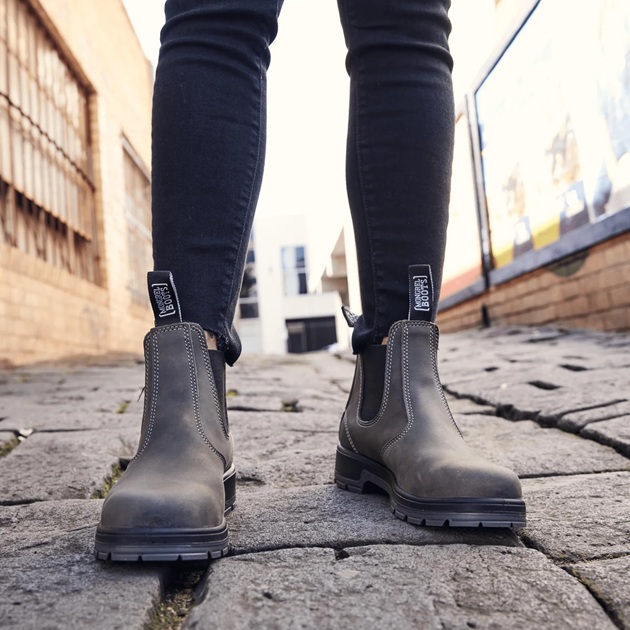
These boots are made for work environments that don’t require steel-toe caps or any other special protective features. They look very similar to traditional work boots and are made from durable materials like leather or tough synthetic fabrics. The main difference is that a high-quality, reliable non safety work boot doesn’t have any protective features or puncture-resistant midsoles.
However, this doesn’t mean that these boots are not wearable or suitable for work. On the contrary, they’re made to be comfortable, to be worn for long hours, to be flexible and durable. You get to do your job while enjoying your work hours.
Why Choose Non-Safety Work Boots?
One of the main reasons people buy these boots is their comfort. They feel less bulky and are lightweight because there’s no added weight from a steel or composite toe cap. If you spend your working hours on your feet, this can make a big difference.
Another great advantage is their flexibility. If you’re always bending, driving, climbing stairs or kneeling, the extra flexibility in these boots will improve your comfort, mobility and reduce fatigue. These boots are also breathable. They’re made with airflow in mind and will keep your feet cool in warm weather and during long shifts.
Don’t forget about style. There are no safety standards to follow, so these boots can come in a wide variety of designs and styles. Some are sleek, so you can wear them at your job and then go out with your friends without looking like you just got out of work.
Who Are They Suitable For?
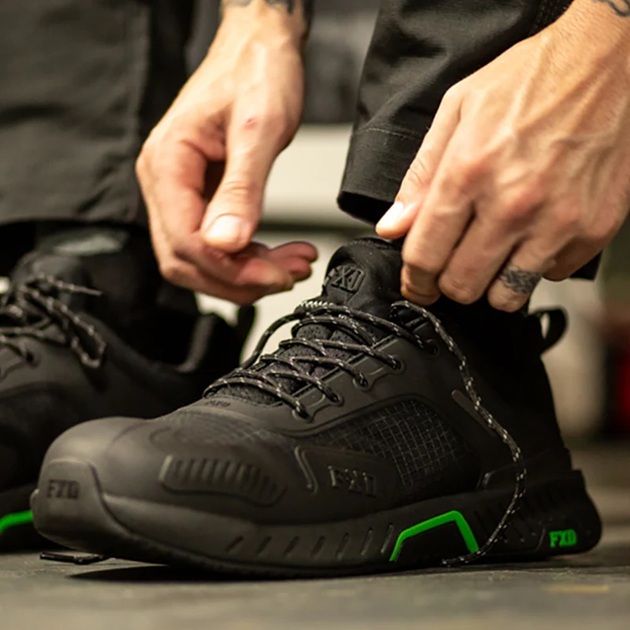
They are mainly made for working environments that don’t involve any type of danger of heavy objects falling onto your feet or any sharp materials going through your soles. Considering this, these boots are suitable for retail and warehouse positions that don’t involve heavy machinery, as well as hospitality and event work, delivery driving, landscaping and gardening, property maintenance, farming, and similar low-risk environments.
Before wearing them on the job, confirm your workplace requirements, as some industries require certified protective footwear.
Key Features to Look For
Not every non safety work boot is made the same. There are plenty of options on the market, and you should be able to recognise the ones most suitable for your needs and recognise top-quality products.
The first thing to keep an eye on is material. Full-grain leather is the most popular choice. It’s supportive, durable, and will mould to your feet over time. Nubuck and suede are also options. They will feel softer to wear but need more care and maintenance. Synthetic materials are lighter and usually water-resistant.
Sole construction is next on the list. Look for slip-resistant outsoles. This is very important if you’re working on wet and smooth surfaces. Rubber or TPU soles provide good traction and durability. If you need to reduce strain on your feet and joints, look for shock-absorbing midsoles.
Cushioning and support are also key. A quality insole and proper arch support are essential if you’re standing for long hours. Some boots come with removable insoles, which allow you to swap them for orthotics if needed. Because weight is important, try the boots on and see if they feel lightweight.
Water resistance is a must if you’re working outside. It helps keep your feet dry and comfortable on rainy days. This is important because wet feet can lead to discomfort and frustration.
Last but not least is fit. If the shoe doesn’t fit right, it can cause blisters, friction, discomfort, and even lead to accidents. So, choose the fit carefully.
Comparing Non-Safety and Safety Boots
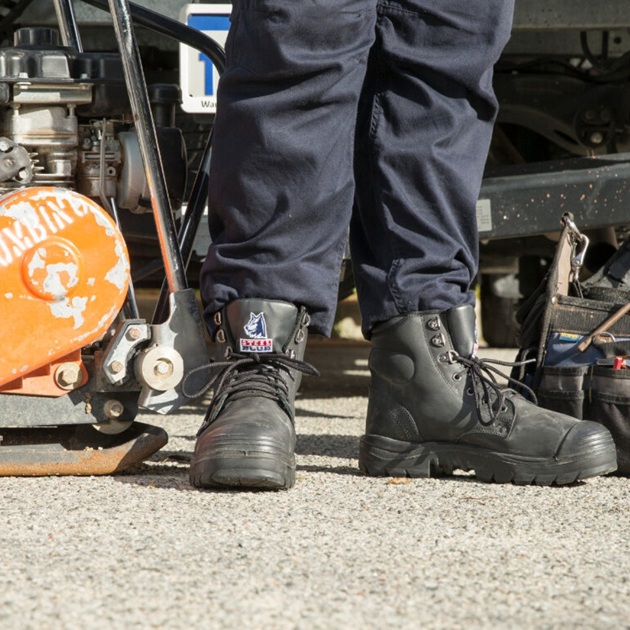
The main distinction comes down to protection and compliance. Safety boots are designed to meet specific standards and protect against impact, compression, and punctures. Non safety boots, on the other hand, are made for comfort and durability.
If your job involves handling machinery, heavy tools or construction materials, you need safety boots. But in retail settings, office jobs or light outdoor work, you don’t need so much protection. Choosing the wrong pair can leave you uncomfortable and unprotected.
Common Mistakes to Avoid When Buying
People often assume that all work boots are the same when you get rid of the safety features, but that’s not the case. One common mistake people make when buying these boots is choosing style over comfort. If your feet are sore and in pain after a long shift, a pretty or stylish boot won’t be of any help. Make sure fit and support are always your priorities.
People also often forget to take into consideration the surface they’re working on. Smooth indoor floors require different traction compared to uneven outdoor ground. Instead of just focusing on the upper material, consider the outsole grip as well.
It’s common for people to order a size up when shopping online. This mistake is easy to avoid with the right sizing information and a quick check of the brand’s fit guide. Always check the size guide on the seller’s page. If you have any questions, don’t hesitate to ask. It’s also wise to choose an online store with a clear and flexible return policy, so you can exchange them if the size or fit isn’t right.