The Ultimate Guide to Car Brakes: The Choice That Defines Every Drive
Every driver knows the split‑second when brakes decide the outcome. Whether it’s a child stepping onto the road or a sudden stop in traffic, braking systems are the difference between control and catastrophe. Reliable brakes aren’t just mechanical parts; they’re the foundation of confidence behind the wheel.
In Australia, road safety reports show that mechanical failures, including braking issues, contribute to a measurable share of accidents each year, underscoring the importance of keeping systems in top condition.
When Car Brakes Come into Play
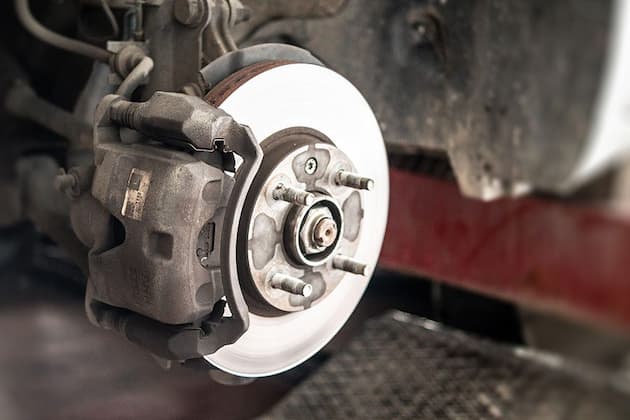
Car brakes are designed to convert kinetic energy into heat, slowing or stopping a vehicle through friction. In disc systems, pads press against rotors to create resistance, while drum systems use shoes against a drum surface. Modern setups often include sensors that monitor wear and assist with stability.
Anti‑lock braking systems (ABS) and electronic brake force distribution are now standard, preventing wheel lock and optimising stopping distances. Car brakes matched to your vehicle’s needs provide the balance of safety and performance that keeps journeys secure.
Pads, rotors, and sensors form the backbone of braking. Pads are made from materials like semi‑metallic, ceramic, or organic compounds, each with trade‑offs in durability, noise, and dust output.
Rotors may be solid, slotted, or drilled, with performance designs improving heat dissipation and reducing fade. Sensors add intelligence, alerting drivers to wear before safety is compromised. Together, these components transform a press of the pedal into controlled deceleration.
Choosing Brakes
Choosing brakes isn’t one‑size‑fits‑all. Daily commuters benefit from standard systems engineered for reliability and affordability, while performance drivers or those towing heavy loads often require advanced setups with higher heat resistance and responsiveness. Durability, driving style, and maintenance intervals all shape the right choice.
Steel, Ceramic, and Beyond
Materials define how brakes perform. Steel rotors are durable and cost‑effective, while ceramic pads offer quieter operation and less dust. High‑performance composites balance heat resistance with longevity, ensuring consistent braking under extreme conditions.
Quality manufacturing is critical: precision engineering reduces vibration, improves pedal feel, and extends lifespan. In recent years, carbon‑ceramic technology has become more common in high‑end vehicles, prized for its ability to withstand extreme temperatures without warping.
Though costly, these systems demonstrate how material science directly translates into safety and performance. For everyday drivers, choosing the right material means balancing affordability with reliability, ensuring brakes deliver consistent results in all conditions.
Everyday Drivers vs. Track Warriors
Standard brakes, often OEM‑spec, are built for predictable daily use. They provide reliable stopping power and longer wear at a lower cost. Performance brakes, by contrast, prioritise responsiveness, heat management, and shorter stopping distances. For drivers who push limits on track days or carry heavy loads, performance systems deliver confidence where standard setups may falter.
The choice depends on how and where you drive. Importantly, upgrading to performance brakes without adjusting driving habits or maintenance routines can reduce their effectiveness, showing that the right match is as much about behaviour as hardware.
Don’t Wait for the Squeal
Maintenance is the silent partner of safety. Warning signs include squealing noises, longer stopping distances, or a spongy pedal feel. Brake fluid should be checked monthly, pads replaced every 20,000 kilometres, and rotors inspected around 100,000 kilometres.
Cleaning brake dust, monitoring lines for corrosion, and acting on dashboard alerts prevent costly failures. Regular servicing ensures brakes remain sharp and reliable. Studies show that neglecting brake maintenance is one of the leading causes of mechanical breakdowns on Australian roads, highlighting the importance of proactive care.
The Road Ahead
Brake technology is evolving rapidly. Electric brake systems are being integrated into modern vehicles, offering faster response times and reduced mechanical wear. Smart braking, linked with autonomous driving features, adjusts stopping force based on traffic and road conditions.
Advanced materials, including carbon composites, are enhancing durability while reducing weight. Regenerative braking, already common in hybrid and electric vehicles, is another innovation that captures energy during deceleration, improving efficiency while reducing wear.
These developments point to a future where braking is not only safer but also more sustainable. As vehicles become more connected, brakes will increasingly work in harmony with driver‑assist systems, creating safer roads for everyone.
Importantly, global safety agencies highlight that integrating these systems reduces accident rates, especially in urban environments where stop‑and‑go traffic is constant.
Safety Is the Real Upgrade
Brakes aren’t just parts; they’re peace of mind. Investing in the right system means shorter stops, smoother rides, and fewer risks. Whether you’re navigating city traffic or pushing limits on open roads, the right choice in braking defines every drive. Safety, after all, is the ultimate upgrade.
For drivers, the decision to maintain and upgrade braking systems is not simply mechanical; it’s a commitment to protecting lives. Studies show that vehicles with well‑maintained brakes reduce collision severity significantly, proving that the smartest upgrade isn’t cosmetic or performance‑based, but rooted in safety itself.